Optimal Timing for Water Treatments
Water treatments are essential for maintaining water quality, preventing corrosion, and ensuring system efficiency. Proper timing of treatments can optimize results and extend the lifespan of plumbing and equipment. Factors such as seasonal changes, water usage patterns, and water quality fluctuations influence the ideal timing for treatment applications.
Spring is an optimal time to perform water treatments as water systems often experience stagnation during winter, and fresh treatment ensures clarity and quality for the warmer months.
Applying water treatments before peak usage in summer helps prevent buildup of minerals and bacteria, maintaining system efficiency during high demand.
After periods of heavy rain, water quality can fluctuate. Treatment during this time helps mitigate potential contaminants and maintain water clarity.
Timing treatments prior to system upgrades or repairs ensures optimal water quality and reduces the risk of complications.
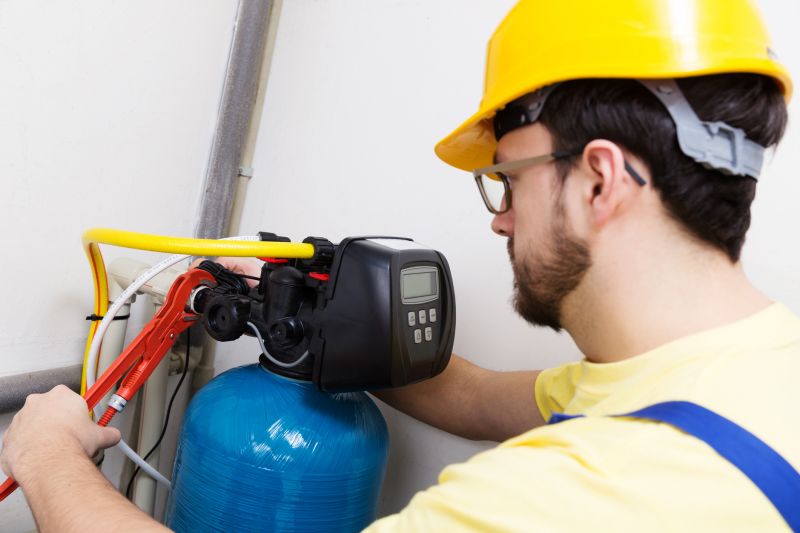
Installation of filtration and conditioning systems for optimal water quality.
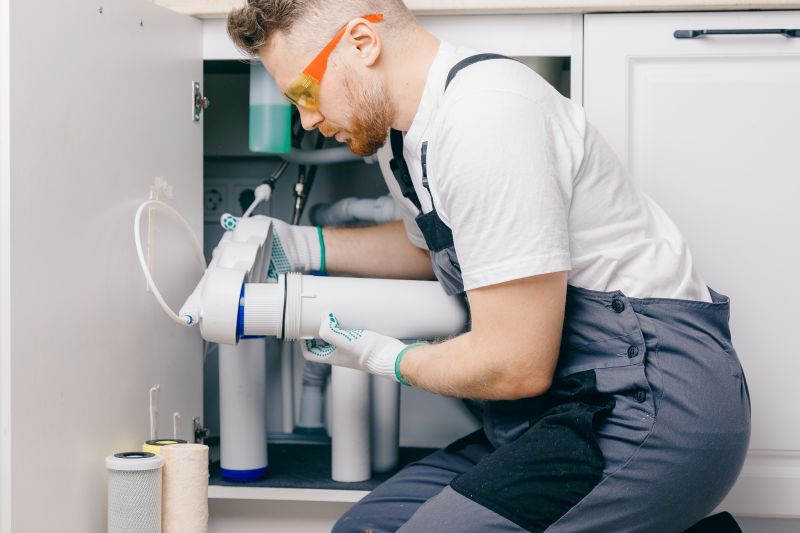
Application of treatment chemicals to control scale and corrosion.
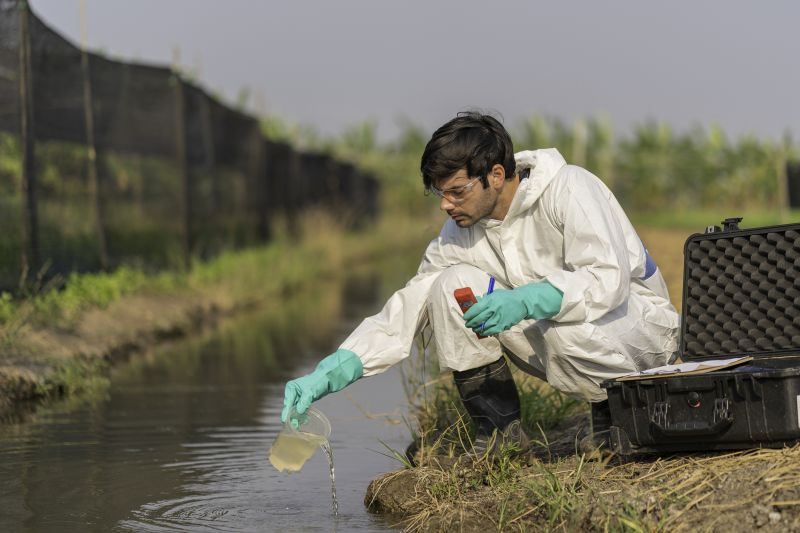
Conducting water quality analysis for proper treatment planning.
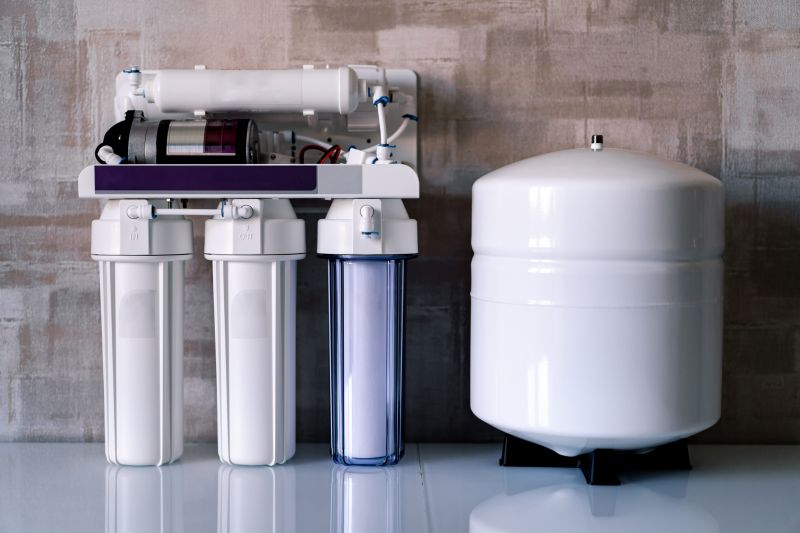
Regular upkeep of filtration units to ensure effectiveness.
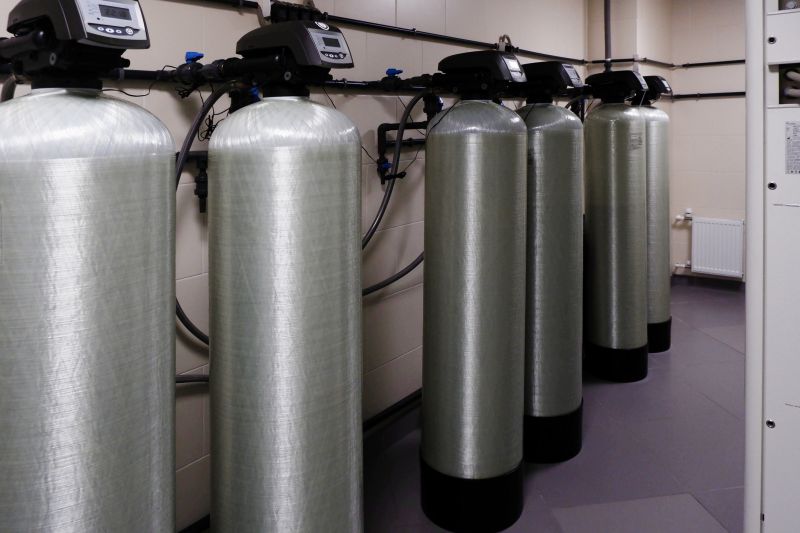
Safe storage of treatment chemicals on-site.
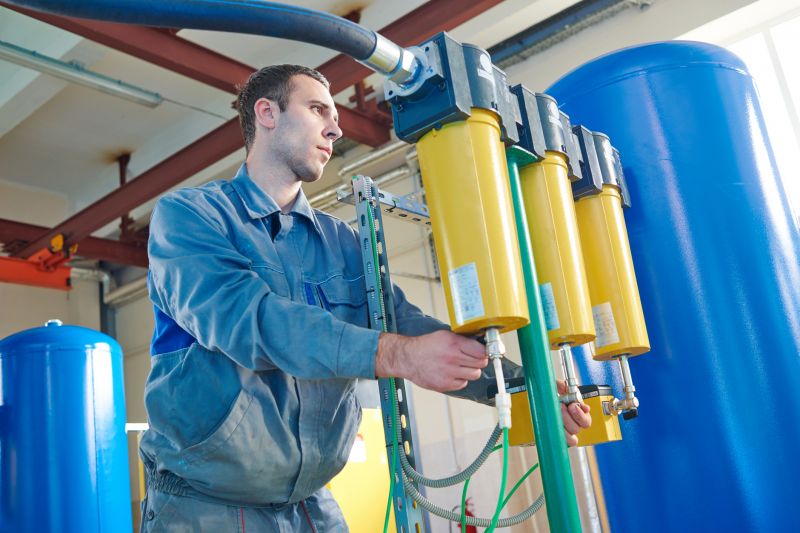
Routine inspections to identify treatment needs.
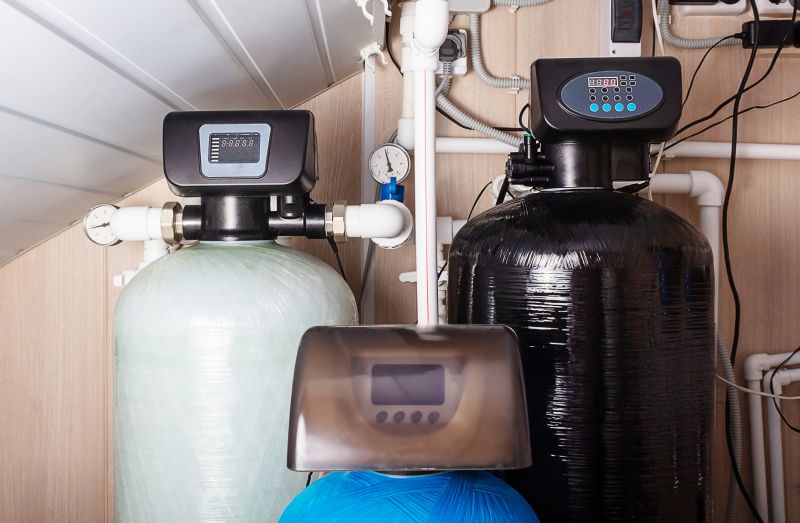
Installation and maintenance of softening systems.
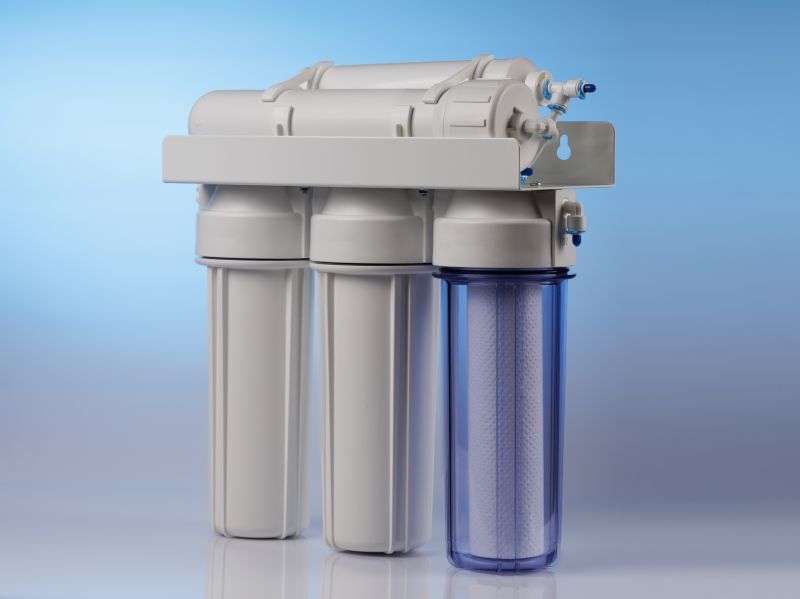
Methods for eliminating bacteria and viruses.
| Timing Consideration | Recommended Action |
|---|---|
| Seasonal Changes | Perform water treatments at the start of each season to maintain water quality. |
| Water Usage Peaks | Schedule treatments before periods of high water demand. |
| Water Quality Fluctuations | Apply treatments following heavy rainfall or water source disturbances. |
| System Maintenance | Coordinate water treatments with routine system inspections and repairs. |
| Annual Testing | Align treatments with annual water quality assessments. |
| System Upgrades | Treat water prior to installing new equipment or system upgrades. |
| Stagnant Periods | Treat water after periods of system inactivity to prevent stagnation. |
| Temperature Changes | Adjust treatment timing based on temperature fluctuations that affect water chemistry. |
Proper timing of water treatments ensures the effectiveness of chemical and filtration processes, ultimately protecting plumbing infrastructure and water quality. Regular assessments and adherence to recommended schedules are vital for consistent water system performance. Seasonal adjustments and proactive treatment strategies can prevent common issues such as scale buildup, corrosion, and microbial growth.
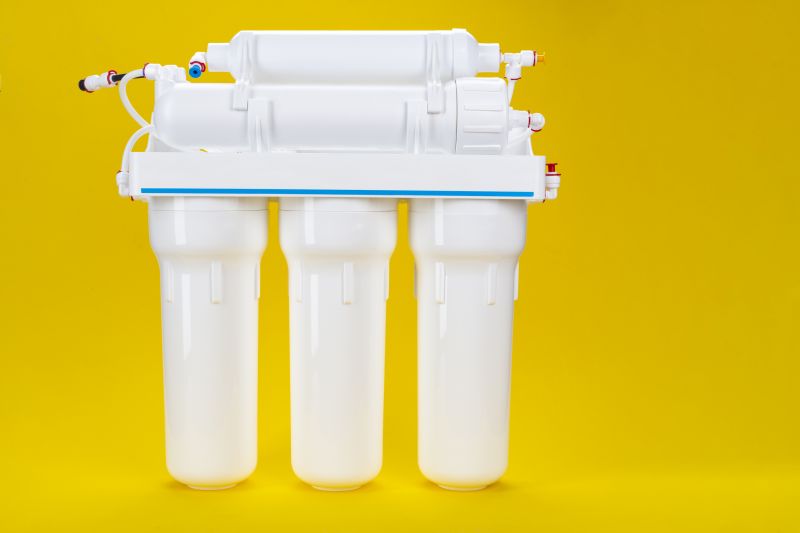
Advanced systems designed for optimal water quality management.
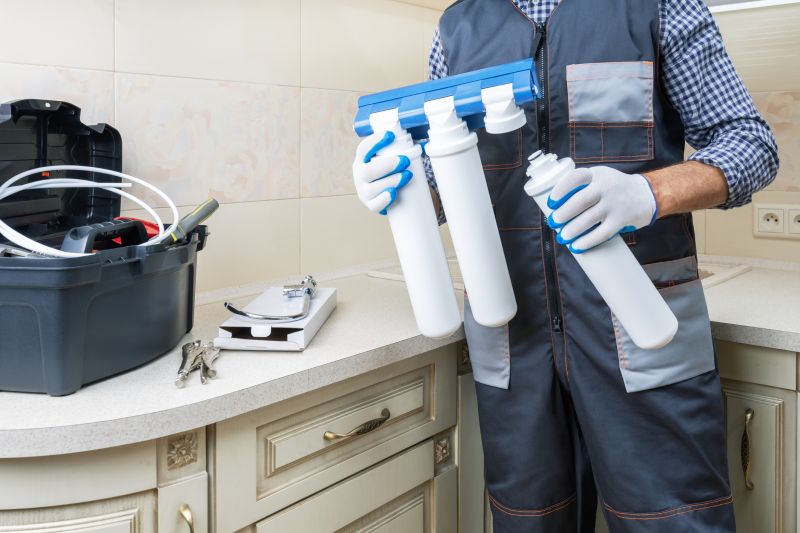
Precise dosing of treatment chemicals for system health.

Real-time analysis for timely treatment adjustments.
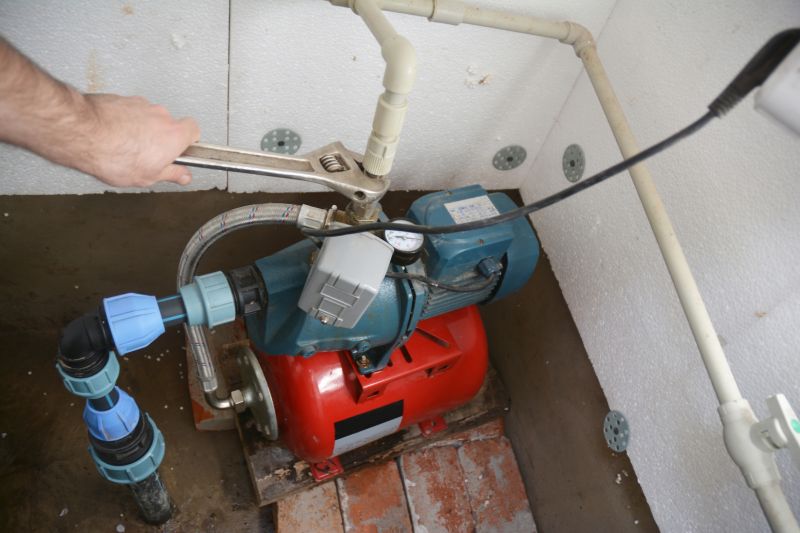
Equipment used for routine water system upkeep.
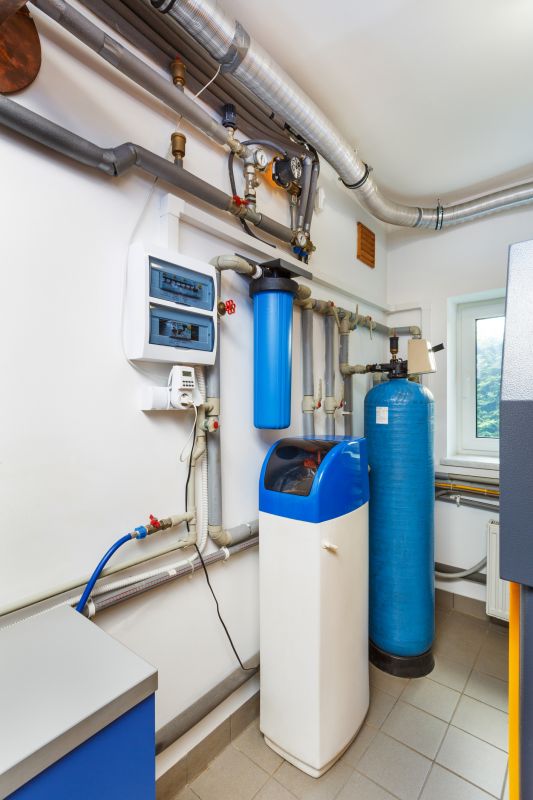
Ways to make Water Treatments work in tight or awkward layouts.

Popular materials for Water Treatments and why they hold up over time.
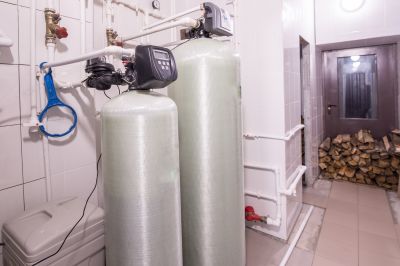
Simple add-ons that improve Water Treatments without blowing the budget.
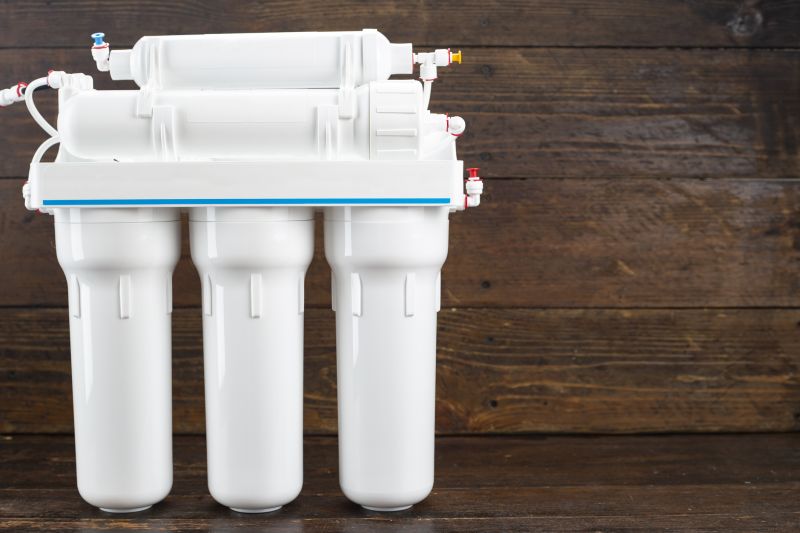
High-end options that actually feel worth it for Water Treatments.
Timely water treatments contribute to the longevity of water systems and ensure compliance with health standards. Regular maintenance and monitoring can identify potential issues early, reducing long-term costs and preventing system failures. Consulting with water treatment professionals can help establish an effective schedule tailored to specific water sources and usage patterns.
Interested in scheduling water treatments or learning more about maintaining optimal water quality? Filling out the contact form can provide tailored recommendations and support for your specific needs in Cookeville, TN.